Walking into a 1920s bungalow in Mesa you can feel the layers of history: original wood floors, plaster walls with hairline cracks, a footprint of past repairs that tell their own stories. Restoring a house like that is not the same as rehabbing a generic suburban tract. It requires an understanding of materials, patience for slow drying and careful documentation, respect for architectural details, and a clear plan to protect what matters. Bloque Restoration has made a name in Mesa by marrying conservation-minded craftsmanship with modern water damage restoration practices, and that combination is what keeps old homes standing and families comfortable.
Why this matters Historic houses in Mesa—whether territorial revival cottages, early ranch houses, or midcentury stucco bungalows—were built with materials and methods that respond differently to moisture than contemporary structures. A flood, a burst pipe, or a prolonged leak does more than wet drywall. It can undermine plaster keys, lift hardwood flooring, stain vintage finishes, corrode original metalwork, and seed hidden mold where trimming and paint conceal damage. Owners who try quick cosmetic fixes risk losing historic fabric and increasing long-term repair costs. Bloque Restoration focuses on arresting water damage without erasing the home's story.
Reading the house before setting a plan Every successful restoration begins with listening to the building. Technicians walk every room, probe attic and crawl spaces, and use moisture meters, infrared cameras, and borescopes to find pockets of trapped water. In several Mesa homes I inspected with crews, what looked like a simple ceiling stain turned out to be chronic venting problems in the attic that had created widespread insulation saturation. That kind of discovery changes scope: the solution is not just drying the stain but drying and replacing insulation, repairing roof flashings, and addressing airflow.
Documenting damage is essential. Bloque Restoration photographs conditions, labels affected materials, and logs moisture readings at intervals. Those records matter for insurance and for an honest restoration timeline. They also help prioritize: structural or health risks first, historic finishes second.
Containment that respects original fabric A common mistake is to demolish everything to achieve a clean work zone. With historic interiors, demolition is a last resort. Crews create targeted containment to prevent dust and water migration while preserving trim, built-ins, and original plaster where possible. That sometimes means building temporary barriers around a single room and setting up negative pressure to pull airborne spores away from sensitive areas like libraries or medical records rooms.
Drying with care Drying has to balance speed against the risk of desiccating old materials too quickly. Rapid heating can crack brittle plaster and warp antique door frames, while slow drying may let mold colonize. Bloque Restoration calibrates airflow, dehumidification, and temperature in stages. For instance, in a Craftsman bungalow with original fir trim, technicians reduced humidity via dehumidifiers to controlled setpoints, then incrementally increased air movement to encourage moisture migration away from pockets within wall cavities. They monitored moisture content in wood until levels matched acceptable baselines for the region and species of timber.
Mitigating mold without erasing history Mold can be both a health hazard and a cosmetic problem. Remediation must remove active growth, address sources of moisture, and treat, not obliterate, historic surfaces when feasible. In one Mesa project, black staining in a parlor closet turned out to be mold on the back of original wallpaper. Rather than stripping the entire room, the team isolated the closet, removed affected lining, disinfected the substrate with antimicrobial solutions suited for historic surfaces, and resealed the space to limit odor and spore migration. Wallpaper fragments were saved and archived for the owner.
When materials must be replaced, matching matters Replacement is not a free-for-all. Historic wood species, nail types, and plaster mixes influence how repairs age. Bloque Restoration sources period-appropriate materials or fabricates matching profiles for trim and molding. For plaster, they use compatible lime-based or gypsum mixes depending on the original composition. In Mesa's older adobe-influenced homes where stucco is integral, crews test the existing stucco composition and match aggregates and pigmentation to preserve texture and breathability. Using Portland-heavy modern stucco on traditional mixes can trap moisture and invite failure.
Plumbing and roofing fixes that prevent recurrence Water restoration is incomplete if the underlying cause remains. Bloque Restoration coordinates with licensed plumbers and roofers to correct the root issue, whether it is corroded copper plumbing, old lead solder, failed flashing, or clogged rain gutters. On a turn-of-the-century home with cast-iron supply lines, the right fix was phased replumbing to modern PEX while preserving exposed fixtures and the original porcelain sink. On another project, a poorly flashed dormer was reworked so the historic shingles could be resealed rather than ripped off.
Electrical and HVAC considerations for old homes Older homes often have outdated wiring and HVAC that complicate moisture work. Getting a building dried and safe requires ensuring circuits can power equipment and that HVAC systems are rebalanced after dehumidification. Bloque Restoration works with electricians to install temporary power safely and to upgrade critical systems where necessary. They also avoid using aggressive ozone or chemical treatments that could react with old paint or finishes.
Communication with owners and stakeholders Historic-house owners are often deeply invested emotionally and financially. They want transparency: what will be saved, what replaced, timeline estimates, and cost ranges. Bloque Restoration provides staged estimates and explains trade-offs. For example, leaving a lacquered built-in untouched reduces cost and preserves history but can leave a faint musty odor if hidden mold spores persist; removing that built-in eliminates the odor but loses original fabric. Clients decide when trade-offs exist, and crews proceed with documented consent.
A short checklist for homeowners facing water damage in a historic house
- Stop the water source and call a professional experienced with older homes. Photograph damage and gather maintenance records before work begins. Ask for moisture maps and monitoring plans, and insist on minimally invasive drying. Require contractors to match materials and to coordinate plumbing, roofing, and electrical repairs. Keep an inventory of original features to be archived, salvaged, or replicated.
Structural stabilization, not overbuilding When water undermines framing or foundations, the impulse may be to pour new footings or sister large sections of lumber. Historic structures often use lighter framing, and making repairs that are too heavy can change load paths. Bloque Restoration consults structural engineers experienced with older buildings to design interventions that stabilize without excessive reinforcement. For example, using hidden steel plates and threaded rods to strengthen a sagging beam preserves sightlines while restoring structural integrity.
Preserving finishes and patina The patina on old wood, brass, and tile is part of the story. Sanding back to pristine wood may increase value in some markets but often destroys character. Restoration teams clean gently, test solvents in small areas, and use reversible treatments wherever possible. In several projects, waxing and conservation cleaning recovered finishes that initially seemed unsalvageable. When replacement was unavoidable—such as with water-splintered floorboards—damaged pieces were salvaged, milled, and reinstalled alongside new boards to maintain a matched, worn aesthetic.
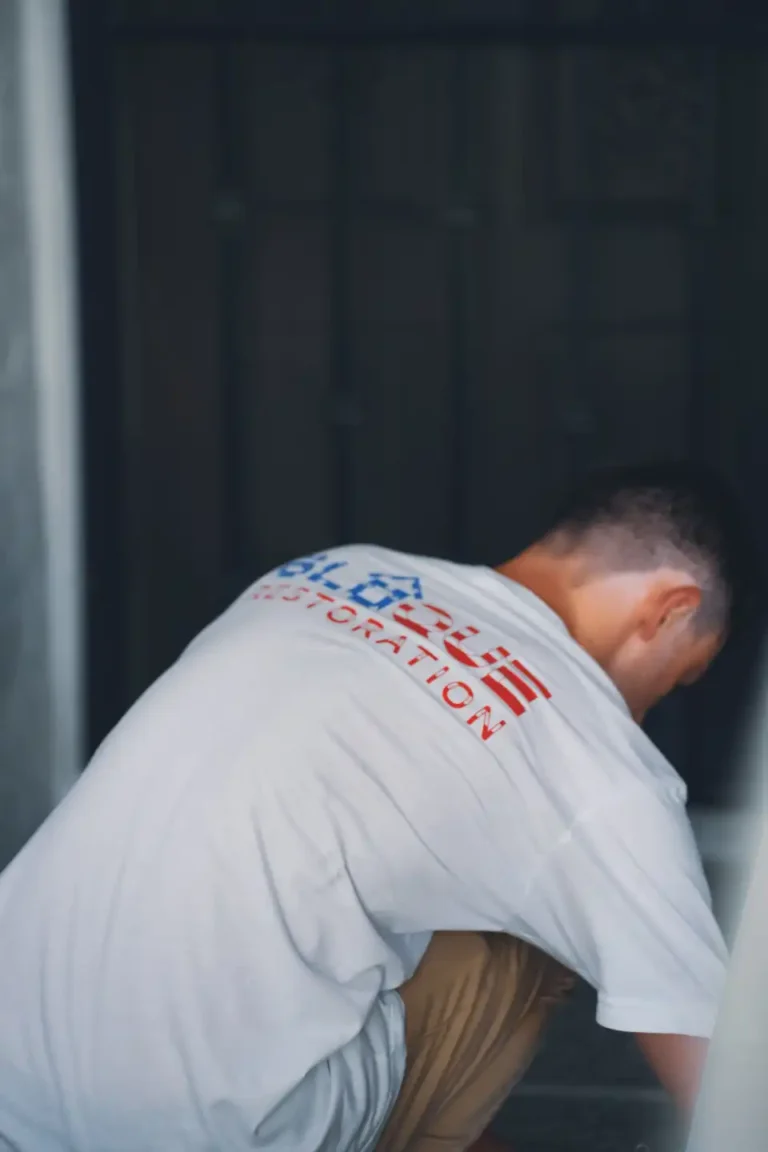
Handling insurance and documentation Water losses in historic homes can lead to disputes with insurers over depreciation and matching. Bloque Restoration documents everything with dated photos, moisture logs, and repair narratives to support claims. They break invoices into clear line items: salvage and conservation, structural repair, finish repair, and Water Damage Restoration Mesa AZ Bloque Restoration replacement of irretrievable elements. This clarity helps underwriters see the necessity of specialized restoration methods and often shortens settlement time.
Anecdote: the Mission Revival porch saved A client in Mesa called about significant water staining on a Mission Revival porch ceiling. Initial estimates from a general contractor suggested full tear-out and replacement of the tongue-and-groove ceiling and beams. Bloque Restoration took a different route: they removed a small section of ceiling to inspect the roof sheathing, found rotted flashing and failed roof vents, replaced the flashings, dried the attic space slowly over a week, and treated the beams for mild rot. The ceiling boards were cleaned, spot-repaired, and reinstalled. The cost difference was substantial, and the original ceiling's hand-planed texture and early 20th century nail heads were preserved.
When demolition is the only option There are cases where salvage is impossible or unsafe, such as extensive fungal decay in structural members or severe contamination. Even then, the approach is to document, salvage fragments for archival purposes, and recreate lost features in-kind rather than with modern shortcuts. Owners are given choices between historically accurate replication and cost-driven modern equivalents. That choice is recorded so future owners will understand the decisions made.
Training, tools, and a conservation ethic Restoration of historic homes requires continual learning. Bloque Restoration invests in training crews on historic materials, conservation practices, and safe chemical use around old finishes. They maintain specialized tools: low-impact drills, hand scrapers, adjustable shims for fragile trim, and moisture meters calibrated for old plaster and dense timbers. That investment keeps repairs precise and reduces collateral damage.
Why Bloque Restoration stands out in Mesa The company combines traditional restoration values with modern water damage techniques. They treat historic fabric as irreplaceable when it is, and realistic when it is not. Their projects typically show three hallmarks: diagnostic thoroughness, staged drying and remediation that respects materials, and coordinated tradeship to prevent recurrence. Homeowners repeatedly note two outcomes: faster functional recovery and a higher degree of conserved original material than they expected.
Estimating timelines and costs realistically Historic restoration takes time. Drying can be days to several weeks depending on the materials. Plaster repairs and paint curing add more time, and sourcing or fabricating matching trim can extend schedules. Bloque Restoration provides phased timelines with contingencies for hidden damage. On costs, expect variability. A single-bedroom suite with plaster and hardwood affected might run several thousand dollars for careful drying and repair; a larger project involving structural timber replacement, replastering, and millwork replication can reach into the tens of thousands. The key is transparent scope definition and staged budgets.
Preparing a historic house for future resilience After repairs, preventive measures matter. Simple actions include improving roof drainage, adding proper guttering and downspouts, ensuring grading directs water away from foundations, and upgrading plumbing where corrosion risk is high. For climate considerations in Mesa, attention to flash flooding and monsoon-season preparedness helps. Bloque Restoration advises on low-visibility interventions that preserve appearance while increasing resilience, such as installing discreet roof flashings, integrating water-sensing shutoffs on older plumbing runs, and sealing vulnerable seams with compatible water damage Bloque Restoration materials.
A final note on stewardship Restoring a historic house is stewardship more than renovation. Each decision influences how the building will weather the next decade and how future owners will perceive its authenticity. The most successful outcomes come from a collaborative process where specialists explain trade-offs, owners set priorities, and the work is executed with restraint and craft. Bloque Restoration approaches every Mesa historic home with that mindset: stop the water, document the condition, choose the least invasive effective remedy, and preserve the story embedded in the materials.
If you own a historic home in Mesa and face water damage, the first step is to halt the water and call a restoration team versed in older construction. Ask for moisture maps, a staged remediation plan, and references for similar projects. When those boxes are checked, you increase the chance that the house you hand down will still carry its original character, not a patchwork of modern fixes. Bloque Restoration aims to make that outcome the likely one.
Bloque Restoration
1455 E University Dr, Mesa, AZ 85203, United States
+1 480-242-8084
[email protected]
Website: https://bloquerestoration.com